
Cataract surgery removes the cloudy lens inside your eye and replaces it with an artificial one to restore vision. However, one of the biggest decisions regarding your vision after cataract surgery happens before you ever reach the operating room. The artificial lens your surgeon places is designed to last the rest of your life, so the type you choose affects how you read, drive, and work for decades.
Most patients end up choosing between a standard monofocal lens and one of several premium lenses. Each option has its own real strengths. The right answer depends far more on your daily life and your eye health than on which lens costs the most.
What Happens to Your Lens During Cataract Surgery?
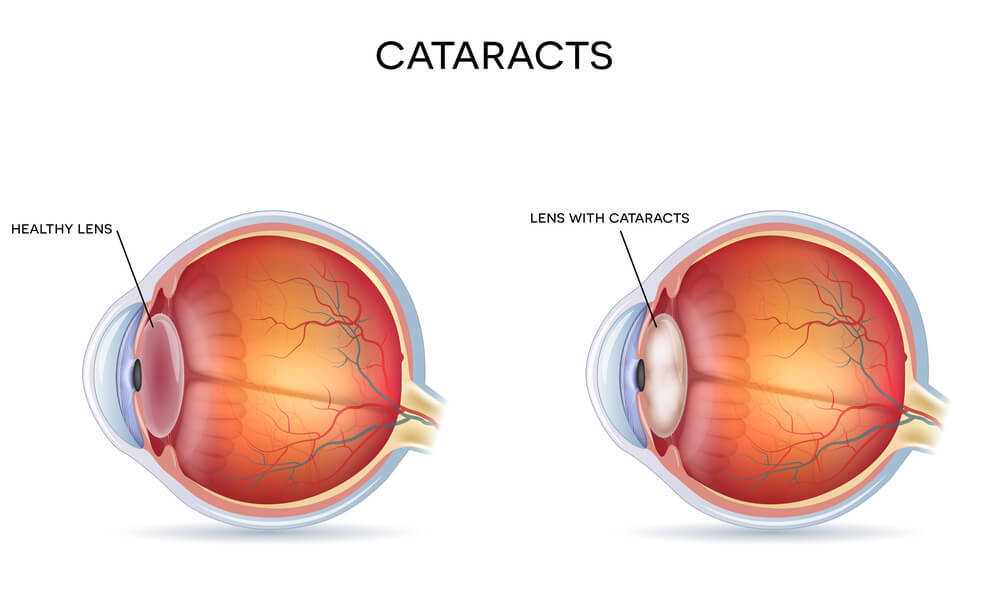
Your natural lens sits behind the iris and focuses light onto the retina. As a cataract forms, proteins in that lens clump together and cloud your vision. During surgery, your surgeon removes the cloudy lens and places a clear intraocular lens (IOL) in the same spot. The procedure usually takes 15 to 30 minutes, and many patients return to their normal routine the next day. Your new lens will never develop a cataract, which means you make this choice only once per eye.
How a Standard Monofocal Lens Works
A monofocal lens focuses at a single distance. Most patients have it set for distance vision, which gives them sharp sight for driving, watching TV, and recognizing faces across a room.
Medicare and most insurance plans typically cover a monofocal lens as part of medically necessary cataract surgery. The trade-off is that you will likely need reading glasses for close tasks like menus, phone screens, and medication labels.
A standard monofocal lens also does not correct astigmatism. If your cornea has an irregular curve, you may still need glasses for distance as well. For many people, that arrangement feels perfectly comfortable. If you already keep readers on the nightstand and don’t mind using them, a monofocal lens can deliver excellent vision without any added cost.
Premium Lens Options and What Each One Does
Premium lenses aim to reduce how often you reach for glasses after surgery. They work in different ways, but each premium lens can offer certain patients greater visual freedom after cataract surgery.
Toric Lenses
Astigmatism happens when the cornea is shaped more like a football than a basketball, which blurs vision at every distance. A toric lens has corrective power built into it, and your surgeon aligns it precisely to offset your astigmatism. Patients with a toric lens often see clearly at a distance without glasses, though they still need readers for close work.
Extended Depth of Focus (EDOF) Lenses

An EDOF lens stretches a single focal point into a longer range instead of splitting light into separate zones. This design gives you clear distance vision plus good intermediate vision for computer screens, car dashboards, and kitchen counters. Some people still use light readers for fine print.
Multifocal Lenses
A multifocal lens divides incoming light into zones for near, intermediate, and distance vision. Many patients with multifocal lenses can read, use a phone, and drive without glasses. Because the lens splits light, some people notice halos or rings around lights at night, especially during the first few months while the brain adapts.
The Light Adjustable Lens
Every other lens has its power locked in on the day of surgery. Because the Light Adjustable Lens allows your surgeon to fine-tune your prescription after surgery, you get to experience your new vision in daily life before anything becomes permanent. Once your eye heals, your surgeon adjusts the lens through a series of brief UV light treatments in the office.
This lens works especially well for patients who want precise results or who have had LASIK in the past. You will wear UV-protective glasses between treatments until your surgeon locks in your final prescription.
Questions That Help You Decide
The best lens for you is the one that fits how you actually spend your days. Before your consultation, it helps to think through a few honest questions.
- How much do glasses bother you? If you would gladly never wear them again, a premium lens may be worth the investment. If readers don’t bother you, a monofocal lens may serve you well.
- What do you do most often? Avid readers, people who work at a computer all day, and those who drive long distances at night each will most likely benefit from a premium lens.
- How do you feel about nighttime halos? Glare and halos around headlights are already common complaints for people with cataracts, and multifocal lenses can bring back a milder version of that effect.
- What fits your budget? Premium lenses involve out-of-pocket costs that insurance does not cover.
Wondering which IOL might be best for you?
Your Eye Health Shapes Your Options
Lifestyle matters, but your eyes have the final say. A few conditions and characteristics of each person’s eye can impact your lens recommendations.
Dry eye can distort the measurements surgeons use to calculate lens power, so some patients need dry eye treatment before surgery to get accurate readings. That step matters even more with premium lenses, which depend on precise calculations to perform as designed.
Other conditions can rule certain lenses out entirely. Retinal conditions such as macular degeneration can limit how well a multifocal lens performs, because these lenses need a healthy retina to deliver sharp contrast.
Advanced glaucoma raises similar concerns. Your eye doctor will consider these factors in combination with your vision goals, lifestyle and hobbies to help narrow down your best choices.
Weighing Cost Against Long-Term Value
Medicare and most insurance plans cover the base surgery and a standard monofocal lens, though deductibles and copays still apply. Premium lenses carry an added out-of-pocket cost for each eye. When you compare prices, think about what you would spend on prescription glasses, progressive lenses, and drugstore readers over the next 20 years or more. Financing plans can spread the cost of a premium lens over time, which makes the upgrade easier to fit into a monthly budget.
How the Eye Institute Guides Your Choice

Black Hills Regional Eye Institute is a leading provider of cataract surgery in Rapid City, with surgeons who perform over 3,500 eye surgeries every year.
Our team offers monofocal, toric, EDOF, multifocal, and Light Adjustable Lens options, so your recommendation comes from what fits your eyes instead of what a practice happens to carry. That breadth of choice sets the standard for lens selection in western South Dakota and Wyoming.
Your consultation includes detailed measurements of your eyes, a full review of your eye health, and an honest conversation about how you live and what you want from your vision. Your surgeon will explain which lenses make sense for you and which ones don’t, so you can make this once-in-a-lifetime decision with confidence.
Wondering which cataract lens fits your lifestyle? Schedule an appointment at Black Hills Regional Eye Institute in Rapid City, SD.