
Valeda is a light-based therapy and the first device the FDA has authorized to treat dry age-related macular degeneration.
It uses carefully tuned wavelengths of red and near-infrared light, an approach called photobiomodulation, to support the working cells of the retina, slow the disease, and, in many patients, improve vision. For decades, people with dry AMD were told there was nothing to actively do beyond vitamins and monitoring. Valeda gives retina specialists and those with dry macular degeneration a real treatment option.
What Is Macular Degeneration?
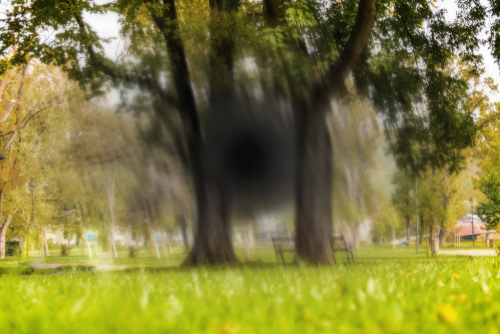
Macular degeneration affects the macula, the small central portion of the retina responsible for sharp, straight-ahead vision. When the macula breaks down, the center of your sight blurs or develops blind spots while your peripheral vision stays intact. That pattern makes everyday tasks like reading, driving, and recognizing faces difficult, even though you can still see things off to the side. There are two types of macular degeneration:
Dry Macular Degeneration
Dry macular degeneration is by far the more common one. It develops slowly as small yellow deposits called drusen accumulate under the retina and the light-sensing layer gradually thins. In its advanced stage, patches of retinal tissue die off in a process called geographic atrophy, and those blind spots can spread over time.
Wet Macular Degeneration
Wet macular degeneration is less common but more aggressive. Abnormal blood vessels grow beneath the retina and leak fluid or blood, which can cause rapid and serious vision loss if it is not treated quickly.
At Black Hills Regional Eye Institute, our team treats both wet and dry forms of the disease, along with diabetic retinopathy and other retinal conditions.
Why Dry AMD Needed a New Option
Historically, the two forms have called for very different responses.
Wet AMD is managed with injections that shut down the leaking vessels. Dry AMD had no active treatment at all.
For the dry type, in the past, the best advice was AREDS2 supplements and eye vitamins shown to slow progression, plus regular eye exams to watch for changes. Valeda is the first therapy designed to do more, which is why it has drawn so much attention from patients and physicians alike.
How Does Valeda Work?

Valeda delivers specific wavelengths of red and infrared light to the back of the eye. Those wavelengths reach the mitochondria, the structures inside your cells that produce energy.
In a retina affected by dry AMD, that energy production falters, inflammation rises, and cells begin to die. Photobiomodulation works by waking up that cellular machinery. The light stimulates mitochondrial activity, supports healthier cell metabolism, and lowers the inflammation that drives the disease forward. As cells function better, the body is also better able to clear away some of the drusen that build up in the macula.
Valeda does not cure dry AMD, and it does not rebuild a retina that has already been lost to advanced central atrophy. What it does is slow the disease and help many patients hold onto, or modestly improve, the functional vision they still have. For a condition that used to offer no active treatment, that is a significant step.
What a Treatment Session Is Actually Like
One of the most reassuring things about Valeda is how simple the experience is. The treatment is non-invasive, and it does not involve injections, surgery, or even dilating drops. You sit comfortably while the light delivery system does its work, and most patients feel nothing at all during the session.
Each appointment is short and predictable:
- A single session takes about 20 minutes, performed while you sit upright, with no dilation or eye drops required.
- The initial course is a series of nine sessions spread across three to five weeks.
- After that first series, your retina specialist schedules follow-up cycles roughly every four months to maintain the benefit.
Because there are no drops and no recovery time, you can drive yourself home and return to your normal day right afterward.
Who Is a Good Candidate?
Valeda is designed for people in the earlier and intermediate stages of dry macular degeneration, particularly those whose retinas show drusen or geographic atrophy that has not yet reached the very center of the macula. These are the patients most likely to benefit from preserving the vision they have and slowing the disease before it advances.
It is not the right treatment for everyone. Valeda is not used for wet macular degeneration, which needs injection therapy instead, and it cannot restore vision already lost to significant central atrophy.
The only way to know whether you are a candidate is a thorough retinal evaluation. A specialist will examine your macula, review imaging of your retina, and confirm which form of the disease you have and how far it has progressed before recommending treatment.
Valeda at Black Hills Regional Eye Institute
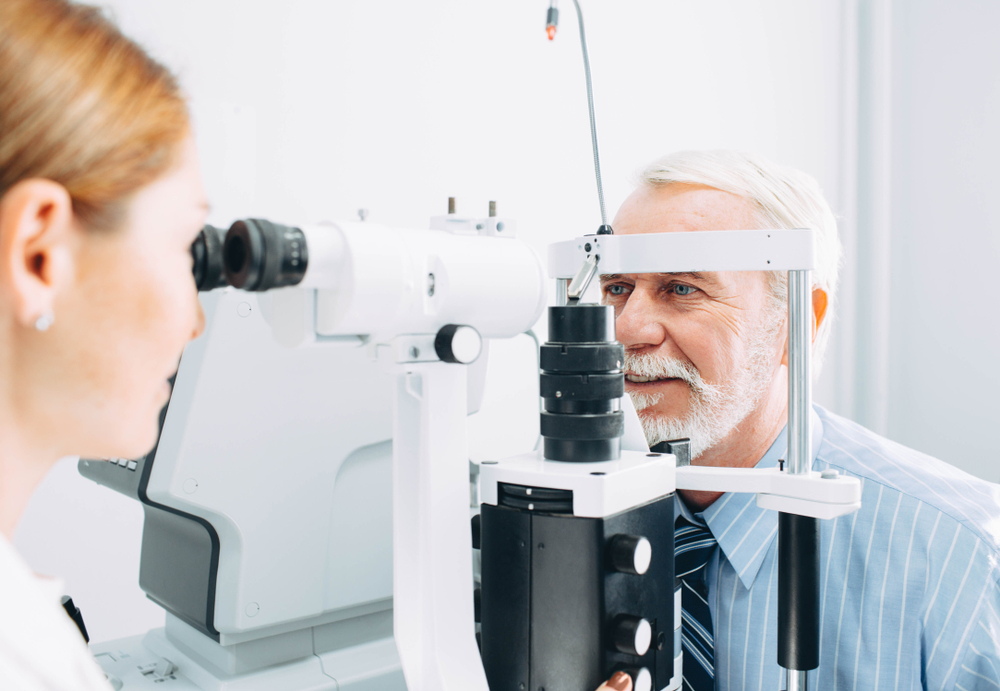
Black Hills Regional Eye Institute is among the first practices in the region to offer this therapy, continuing its role as a leading provider of advanced retinal care in western South Dakota.
Dr. Prema Abraham, Director of the Retina Center, introduced Valeda here so that patients no longer have to travel far or wait for access to the newest options in dry AMD care. Treatment is delivered by an experienced retina team using the Valeda system, the same technology studied in the clinical trials.
If you have been diagnosed with dry macular degeneration, or have noticed gradual changes in your central vision, our team can evaluate your retina and explain whether Valeda fits your situation. Early action matters with this disease, because the goal is to protect vision before it is lost rather than try to recover it afterward.
Living with dry macular degeneration and wondering if Valeda is right for you? Schedule an appointment at Black Hills Regional Eye Institute in Rapid City, SD.