
Most people spend weeks, sometimes months, researching LASIK before they ever schedule a consultation. They want to know if they’re a candidate, how much it costs, and whether it actually works. What often gets less attention is what happens after the procedure. Recovery is where many patients feel unprepared, not because it’s difficult, but because they simply didn’t know what to expect.
Knowing what’s normal and what’s not can make the entire healing process feel far less stressful.
1. Most Patients Are Back to Their Routine Within 24 Hours

One of the most surprising things about LASIK surgery is how quickly patients return to their daily lives. Most people are ready to go back to work and resume normal activities within a few days of the procedure.
During the first several days and weeks, you will still have some restrictions. You’ll leave the office with protective goggles, eye drops, and specific instructions. But most patients are back to most of their normal activities within a couple of days.
2. Discomfort Is Expected. Significant Pain Is Not.
In the hours immediately after LASIK, your eyes will likely feel slightly irritated. The sensation most patients describe is similar to having something stuck in the eye, not sharp pain, but a persistent awareness that something has changed. This is normal. The numbing drops used during the procedure wear off gradually, and mild soreness during that window is expected.
What’s less common is real pain. Most patients find that over-the-counter pain medication is all they need, and even that isn’t always necessary. If you experience sharp or worsening pain rather than mild discomfort, contact your surgeon right away.
3. Dry Eye Is the Most Common Side Effect

Dry, gritty eyes are something nearly every LASIK patient deals with to some degree during recovery. When the corneal flap is created, some of the nerves responsible for signaling tear production are temporarily disrupted. Until those nerves regenerate, the eyes may not produce tears as efficiently as before.
The eye drops your surgeon prescribes are a part of your healing protocol. Using them as directed, and as often as directed, helps protect the corneal surface while it heals.
For most patients, dry eye symptoms are most noticeable in the first few weeks and ease considerably after that, though some people experience them for a month or longer. If dry eye is already something you manage before surgery, make sure to discuss it during your pre-operative evaluation.
4. Glare, Halos, and Light Sensitivity Are Part of the Process
After LASIK, the cornea needs time to settle into its new shape. During that adjustment period, many patients notice glare and halos around lights, particularly at night. Headlights, streetlights, and bright screens can look slightly different than they did before surgery. These symptoms often reflect the cornea’s ongoing adaptation. Wearing sunglasses outdoors and limiting screen exposure in the first few days can help manage light sensitivity as your eyes adjust. For the vast majority of patients, these symptoms fade significantly within the first few weeks.
5. Your Best Vision Takes Time
Many patients notice a dramatic improvement in their vision within hours of surgery. It’s common to wake up the morning after LASIK and see clearly across the room for the first time without reaching for glasses. That said, sharp vision on day one doesn’t mean your eyes are fully healed.
The LASIK recovery timeline extends well beyond the first week. Vision continues to sharpen as the cornea heals and stabilizes, and most patients reach their best corrected vision somewhere between three and six months after surgery.
Fluctuations in clarity during the first month are normal and don’t indicate a problem. Avoid drawing conclusions about your final outcome too early.
6. Protecting Your Eyes in the Early Weeks Is Non-Negotiable
The corneal flap created during LASIK heals over time, but it remains vulnerable in the weeks immediately following surgery.
Rubbing your eyes is the most important thing to avoid; even when they feel itchy or irritated, try to resist the urge. Accidental contact during sleep is also a real risk, which is why surgeons recommend wearing protective goggles at night for at least the first several days.
Activity restrictions extend beyond just eye rubbing. Avoid swimming, hot tubs, and any water that could introduce bacteria to the eye for at least two weeks. Contact sports and activities with a risk of impact to the face require a longer break. Makeup and lotions near the eyes should wait a full week.
These guidelines exist because the healing tissue is genuinely at risk during this window, and most complications that do occur are linked to not following post-operative instructions.
7. Post-Operative Appointments Matter More Than Patients Realize
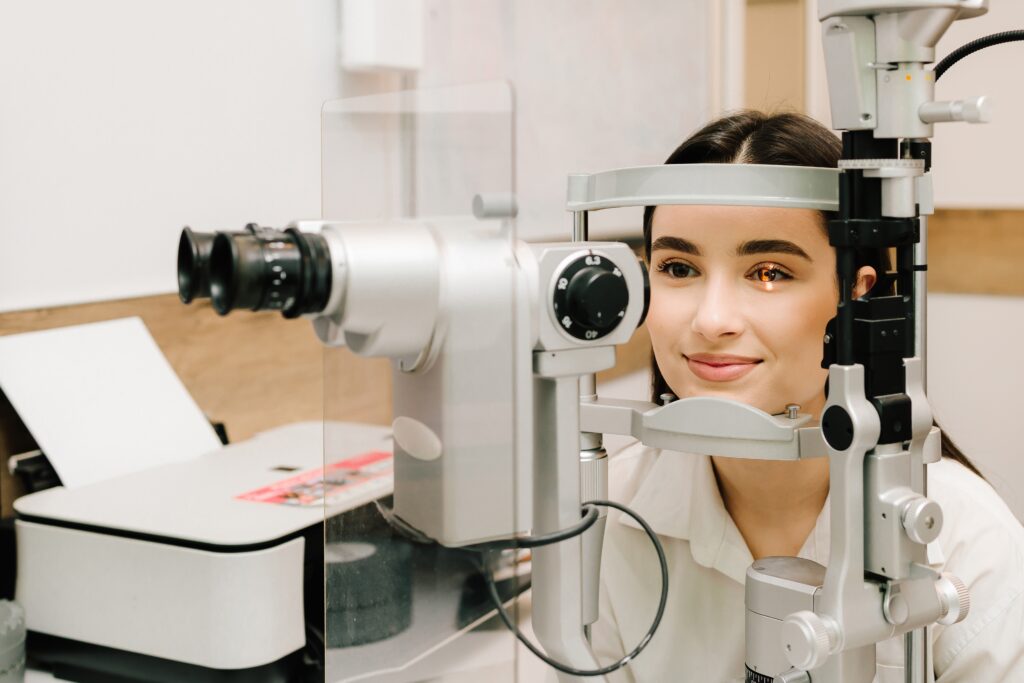
Feeling great after LASIK can make it tempting to skip follow-up visits, especially once vision feels stable. That’s a mistake. Post-operative appointments allow your surgeon to confirm that the corneal flap is healing properly, monitor dry eye, and catch anything unusual before it becomes a real problem.
Most patients have a visit the day after surgery, then at intervals over the following months. These appointments are also the right place to raise any concerns, like changes in vision, persistent discomfort, or anything that seems off. Your care team at Black Hills Regional Eye Institute wants to know if something doesn’t feel right, and those visits are the built-in opportunity to have that conversation.
LASIK recovery is, for most patients, straightforward. The procedure has helped millions of people achieve clear vision, and with a well-equipped surgical team and a clear understanding of the healing process, most patients move through recovery with far fewer surprises than they anticipated.
Whether you’re in the early stages of research or ready to schedule a consultation, knowing what lies ahead puts you in a much better position to get the outcome you’re looking for.
Ready to find out if LASIK is right for you? Schedule an appointment at Black Hills Regional Eye Institute in Rapid City, SD.