
LASIK is one of the most commonly performed elective surgeries in the country, with a strong track record of outcomes for the right patients. But “right patient” is the key phrase. Not everyone who wants LASIK qualifies, and the reasons why come down to measurable factors your surgeon evaluates before any procedure is scheduled. Understanding what those factors are, and how they apply to your eyes specifically, is the best first step you can take.
Keep reading to learn more about LASIK and what makes someone a perfect candidate for the procedure!
What Exactly Is LASIK Doing to My Eyes?
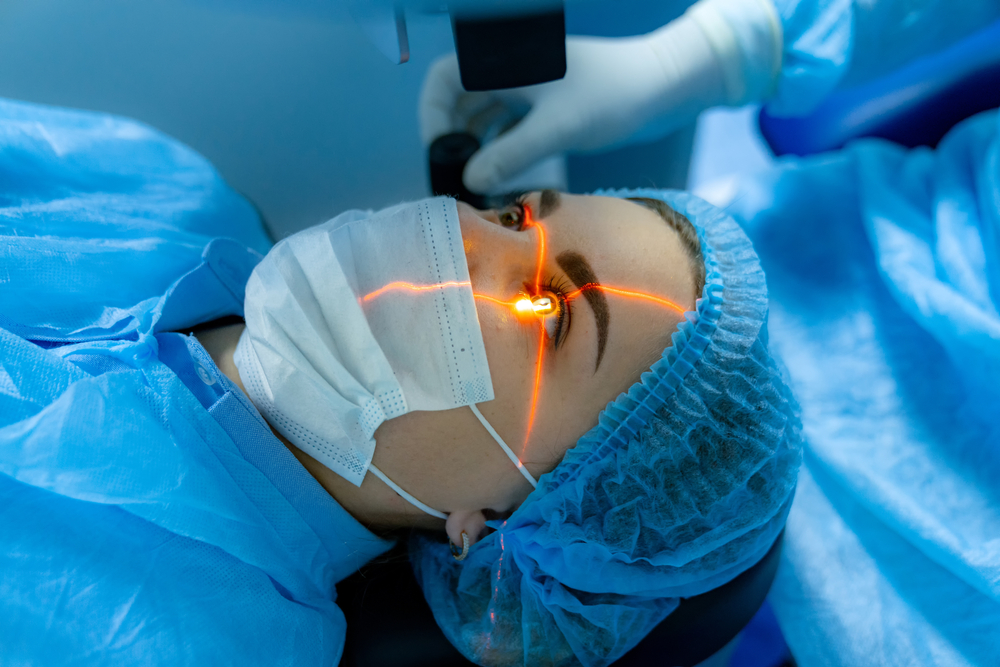
LASIK surgery works by using a precise laser to reshape the cornea, which is the clear, dome-shaped front surface of your eye. When the cornea is reshaped correctly, light focuses directly on the retina rather than in front of or behind it, which is what causes blurry vision in the first place. To access the cornea, the surgeon creates a thin flap in its outer layer, lifts it, applies the laser, and then repositions the flap.
The flap is one of the reasons why strict candidacy criteria exist. The laser needs enough corneal tissue to work with, your prescription needs to fall within a correctable range, and your eyes need to be healthy enough to heal properly. Each requirement ties directly back to how the procedure works.
What Criteria Determine Whether You’re a Candidate?
LASIK candidacy is determined by several independent factors evaluated together. A surgeon might clear you on prescription range but flag a concern with corneal thickness, or find that dry eye needs to be treated before surgery becomes an option. Each criterion below is assessed individually during a consultation, and all of them need to align for LASIK to be the right call. Here’s what your surgeon is looking at.
Corneal Thickness
Corneal thickness is one of the most important candidacy factors and one of the least discussed outside of a clinical setting. Because LASIK involves creating a flap and then removing tissue beneath it with a laser, the cornea needs to be thick enough to safely accommodate both steps while leaving adequate tissue behind.
Patients with thin or irregular corneas are typically not good candidates for LASIK. That doesn’t mean laser vision correction is off the table entirely. PRK corrects vision using the same laser treatment as LASIK but without creating a flap, which preserves more corneal tissue. LASEK is another flap-free option that may be appropriate depending on your specific corneal anatomy. Both procedures deliver results comparable to LASIK for the right patients.
Age
Most LASIK surgeons require patients to be at least 18 years old, though many prefer to wait until the mid-20s. The reason comes down to stability.
Younger eyes are still changing, and performing LASIK on a prescription that hasn’t settled yet can mean your vision shifts again after surgery, reducing or eliminating the benefit.
There’s no firm upper age limit for LASIK. However, patients in their 40s and beyond may start experiencing presbyopia, the age-related loss of near focusing ability that makes reading glasses necessary. LASIK corrects distance vision but doesn’t address presbyopia. For older patients with significant lens changes, a lens-based procedure may ultimately be a better fit than laser correction.
Prescription Range
LASIK can correct nearsightedness, farsightedness, and astigmatism, but only within certain ranges. Prescriptions that fall outside those ranges put patients at higher risk for incomplete correction or other complications. If your prescription exceeds these thresholds, implantable contact lenses may offer a better path to clear vision. ICLs are surgically placed inside the eye in front of the natural lens and can accommodate higher prescriptions that LASIK cannot.
Prescription Stability
Even if your prescription falls within a treatable range, it needs to have been consistent for at least one to two years before surgery is appropriate. If your vision has been shifting from year to year, the correction applied during LASIK may not hold, and you could find yourself back in glasses sooner than expected. This isn’t a permanent disqualification. It simply means waiting until your eyes have settled before moving forward.
Dry Eye Status
Dry eye is a candidacy factor that surprises many patients. LASIK temporarily affects the corneal nerves that regulate tear production, which means patients who already experience significant dryness before surgery may find their symptoms worsen during the healing period. Mild to moderate dry eye doesn’t automatically disqualify someone. In many cases, treating dry eye before surgery can bring the condition under control enough to proceed safely. Severe, unmanaged dry eye is a different matter and may need to be fully addressed before LASIK becomes an option.
Overall Eye Health
Beyond corneal thickness and dry eye, your eyes need to be free of conditions that could interfere with the procedure or recovery. Active eye infections, uncontrolled glaucoma, keratoconus, and certain retinal conditions can all affect whether LASIK is appropriate. Pupils that are unusually large in low light may also be a consideration, as some patients with large pupils report halos or glare after surgery.
Systemic health factors are important as well. Autoimmune conditions and medications that affect healing can influence candidacy. This is why a thorough medical history is part of every consultation, not just an eye exam.
What Happens at a LASIK Consultation?

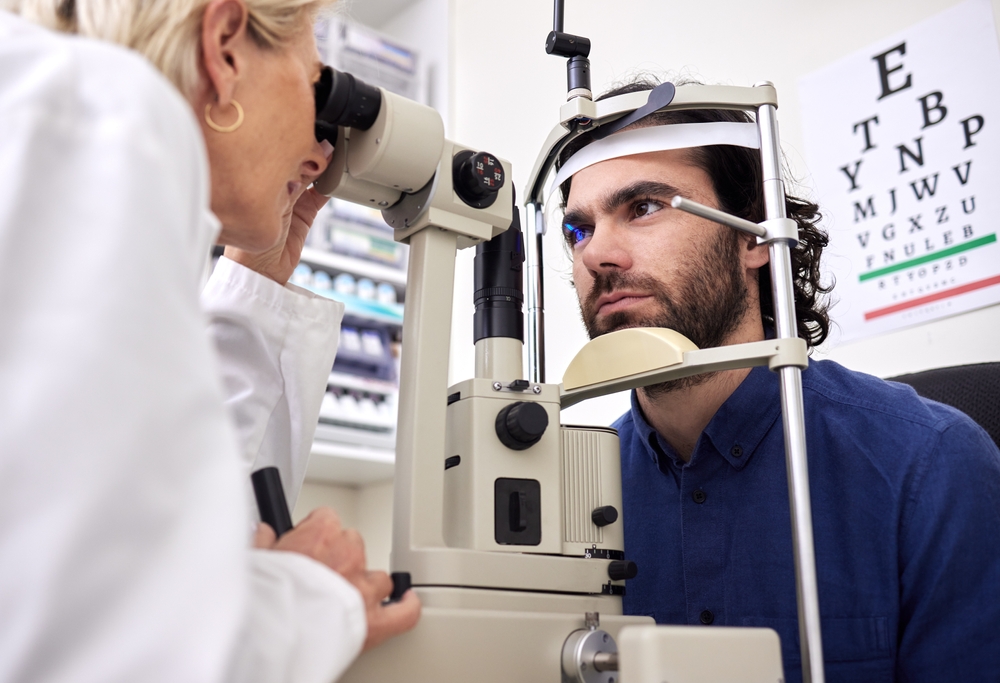
During your LASIK consultation, you’ll meet with our dedicated team, who will perform a comprehensive series of measurements, including corneal mapping, pupil size assessment, refraction testing, and a full evaluation of your eye health.
By the end of the appointment, you’ll know whether you’re a candidate, which procedure best fits your eyes, and what the cost and timeline look like.
If LASIK isn’t the right fit, the team will explain why and walk through alternatives. The goal at every consultation is to match the right procedure to the right patient, and that only happens with a thorough, honest evaluation.
Ready to find out if LASIK is right for you? Schedule an appointment at Black Hills Regional Eye Institute in Rapid City, SD.