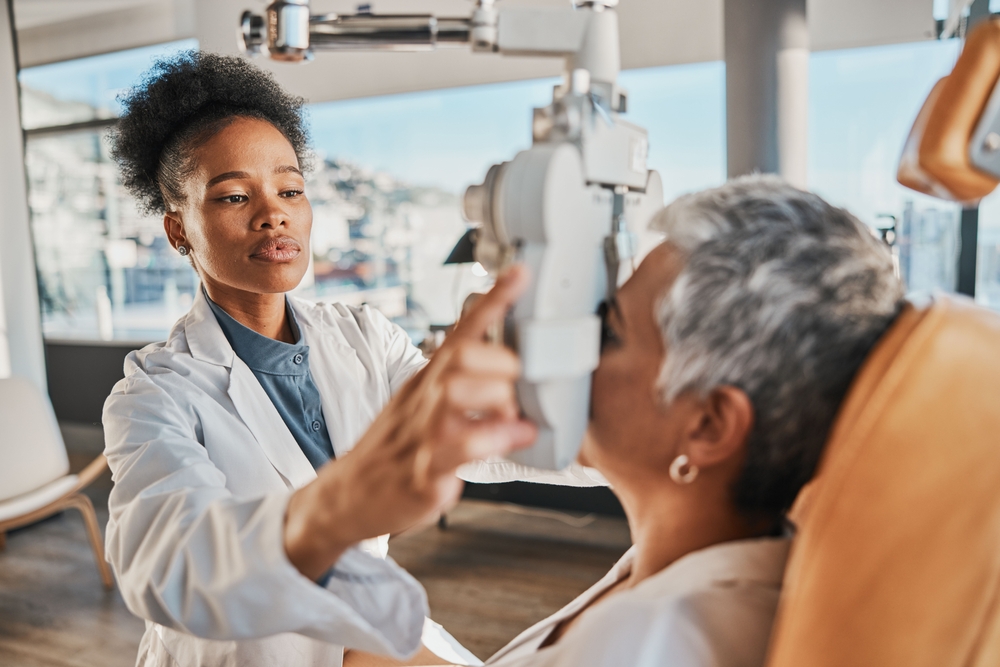
High eye pressure can quietly damage your optic nerve for years before you notice any changes to your sight. By the time symptoms appear, permanent vision loss may have already occurred. Keep reading to learn what eye pressure is, why monitoring it matters, and what happens during a simple screening test that could save your sight!
What Is Intraocular Eye Pressure?
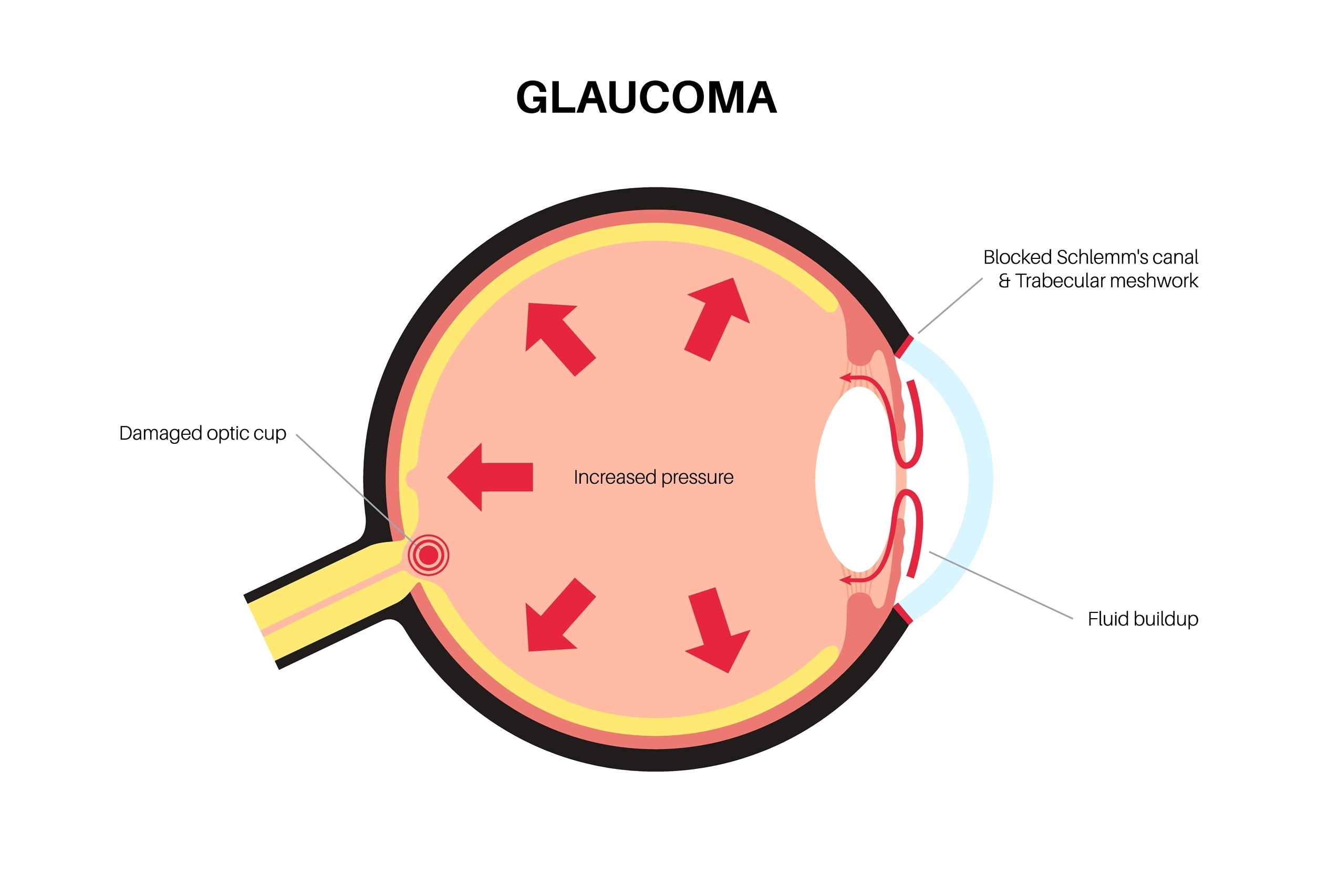
Your eyes maintain their shape and function through a delicate balance of fluid production and drainage.
The clear fluid inside your eye, called aqueous humor, constantly flows in and out to nourish your eye tissues and maintain proper pressure. When this drainage system works properly, the pressure inside your eye stays within a healthy range, typically between 10 and 21 millimeters of mercury (mmHg).
Problems arise when fluid can’t drain properly from your eye. This buildup increases the pressure inside your eye, much like too much air in a balloon creates tension on its walls.
Over time, elevated pressure can damage the optic nerve, which carries visual information from your eye to your brain. Once this nerve sustains damage, the effects cannot be reversed.
The team at Black Hills Regional Eye Institute uses advanced diagnostic technology to measure your eye pressure accurately and detect potential problems before they affect your vision.
Why Regular Eye Pressure Monitoring Matters
Most people with elevated eye pressure feel completely normal. Your eyes won’t hurt, and your vision may seem perfectly clear in the early stages. This silent progression makes high eye pressure particularly dangerous. You could lose peripheral vision so gradually that your brain compensates for the missing information, and you might not realize anything is wrong until significant damage has occurred.
Early detection changes everything. When your eye doctor identifies elevated pressure during routine screening, treatment can begin before any vision loss happens.
Glaucoma is the disease most commonly associated with high eye pressure. It ranks as the second leading cause of blindness worldwide, yet up to half of people with glaucoma don’t know they have it. Regular eye pressure checks catch these cases early, when treatment works best.
A simple screening during your comprehensive eye exam could mean the difference between maintaining your vision and losing it permanently.
How Eye Pressure Testing Works
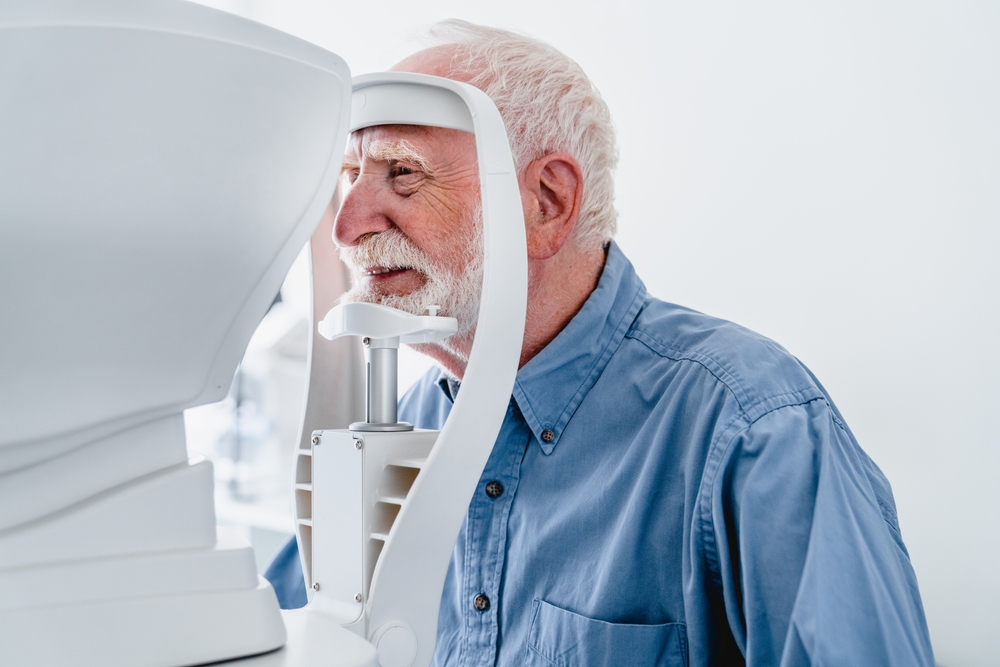
Measuring your eye pressure takes just seconds and requires minimal contact with your eye. The most common method uses a tonometer, which comes in several varieties.
You may have experienced the “air puff” test, where a quick burst of air measures how your cornea responds to pressure. While some people find the puff startling, it causes no pain and provides valuable information about your eye health.
Another method involves a small probe that gently touches the surface of your eye after numbing drops are applied. You won’t feel any discomfort during this contact measurement.
Some practices use newer technology that measures pressure through your eyelid without touching your eye directly.
Regardless of which method your eye doctor uses, the entire process finishes in less than a minute. Most patients describe the experience as quick and easy, with no recovery time needed. You can return to your normal activities immediately after the test.
Who Should Get Regular Eye Pressure Checks?
Everyone benefits from baseline eye pressure measurements, but certain factors increase your need for regular monitoring.
Age plays a significant role in eye pressure concerns. Adults over 40 should have their eye pressure checked at least every two years, even without symptoms. After age 60, annual checks become more beneficial, as your risk increases with each passing year.
Several risk factors warrant more frequent monitoring. If anyone in your immediate family has glaucoma, your risk increases significantly. People of African, Hispanic, or Asian descent face higher rates of glaucoma and may develop it at younger ages.
Certain medical conditions, including diabetes and high blood pressure, also elevate your risk. Previous eye injuries, long-term steroid use, or extreme nearsightedness require closer attention to your eye pressure.
If any of these factors apply to you, talk with your eye doctor about how often you should schedule screenings. Personalized care means matching your monitoring schedule to your individual risk profile.
What Happens If Your Eye Pressure Is High?
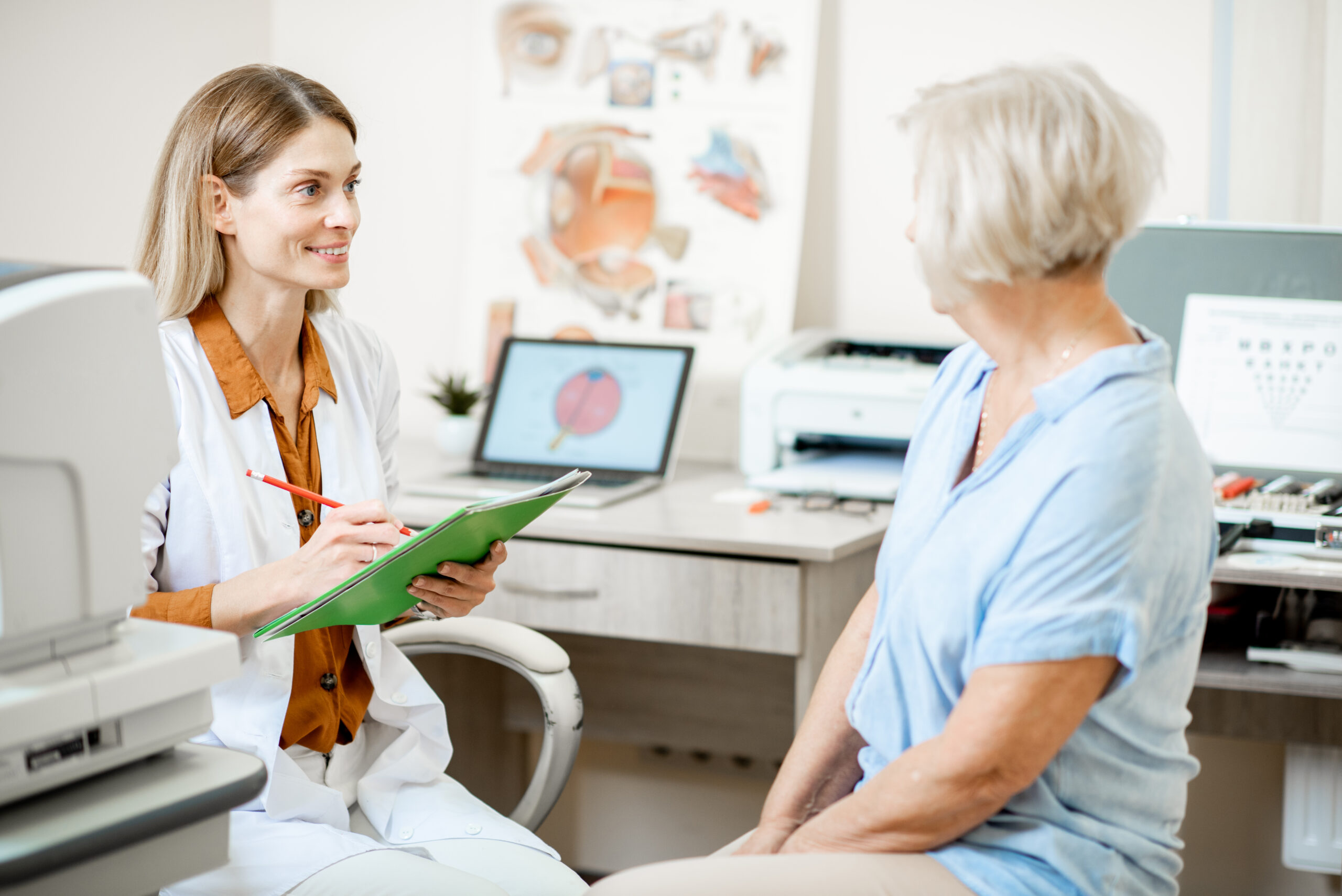
Finding elevated pressure during a screening doesn’t automatically mean you have glaucoma or will lose vision.
Your eye doctor will want to gather more information through additional testing. This might include measuring your corneal thickness, examining your optic nerve, and testing your peripheral vision. These comprehensive evaluations help determine whether treatment is necessary and, if so, which approach will work best for you.
Treatment options for managing high eye pressure have advanced considerably in recent years. Many patients control their pressure successfully with prescription eye drops that either reduce fluid production or improve drainage.
Some people benefit from laser procedures that open drainage channels in the eye. In cases where these approaches don’t provide adequate control, surgical options can create new drainage pathways. The experienced doctors at Black Hills Regional Eye Institute work with you to find the most effective treatment plan for your situation, monitoring your progress closely and adjusting your care as needed.
Taking Control of Your Eye Health
Your vision is too precious to leave to chance. Regular eye pressure checks give you the information you need to protect your sight for years to come. These simple, painless tests take just minutes but provide enormous value in detecting problems before they cause permanent damage. Many people who develop glaucoma could have prevented vision loss through earlier detection and treatment.
Schedule a comprehensive eye exam at Black Hills Regional Eye Institute in Rapid City, SD, today. Our team is ready to answer your questions, assess your individual risk factors, and create a monitoring plan that fits your needs.